
When playing a game of catch, does your child frequently miss the ball or throw it in the wrong direction unintentionally? Or do they have messy handwriting when completing assignments in school? If either of these sound familiar, your child may benefit from activities that strengthen their hand-eye coordination.
What Is Hand-Eye Coordination?
Hand-eye coordination is when your child’s eyes, brain, and hands have to work together seamlessly for various activities. It is the ability to respond to visual information with their hands.
Here are some activities that use hand-eye coordination:
- Participating in ball sports, such as volleyball, basketball, or tennis
- Playing musical instruments, such as the drums, piano, or guitar
- Drawing or coloring pictures
- Creating structures with building blocks
- Legibly writing words and messages
Why Is Hand-Eye Coordination Important for My Child?
Hand-eye coordination is essential for your child’s day-to-day life. This skill helps them quickly respond to various situations, such as a ball or frisbee flying toward them, and perform activities that range from writing to cutting shapes out of paper.
When your child experiences challenges with their hand-eye coordination, aspects of their life may feel complicated or even overwhelming. But once your child builds up this skill to navigate their world, daily experiences will feel more approachable and manageable — inspiring your child to engage with excitement.
With hand-eye coordination, your child can step into their independence with confidence to complete daily tasks and participate in areas such as sports, the arts, and school. Hand-eye coordination empowers your child to thrive!
5 Ways to Improve Your Child’s Hand-Eye Coordination
To help your child build up their hand-eye coordination, here are five easy and fun activities to try out at home.
1. String Beads
Show your child how to thread beads onto a string and then have them practice by making fun necklaces and bracelets.
2. Play with Lids
Grab some containers with lids and let your child practice pulling off the lids and putting them back on.
3. Use Child-Safe Tools
Pull out a toy construction set that includes a child-safe hammer, nails, and board, then let your child practice hammering the nails into the board.
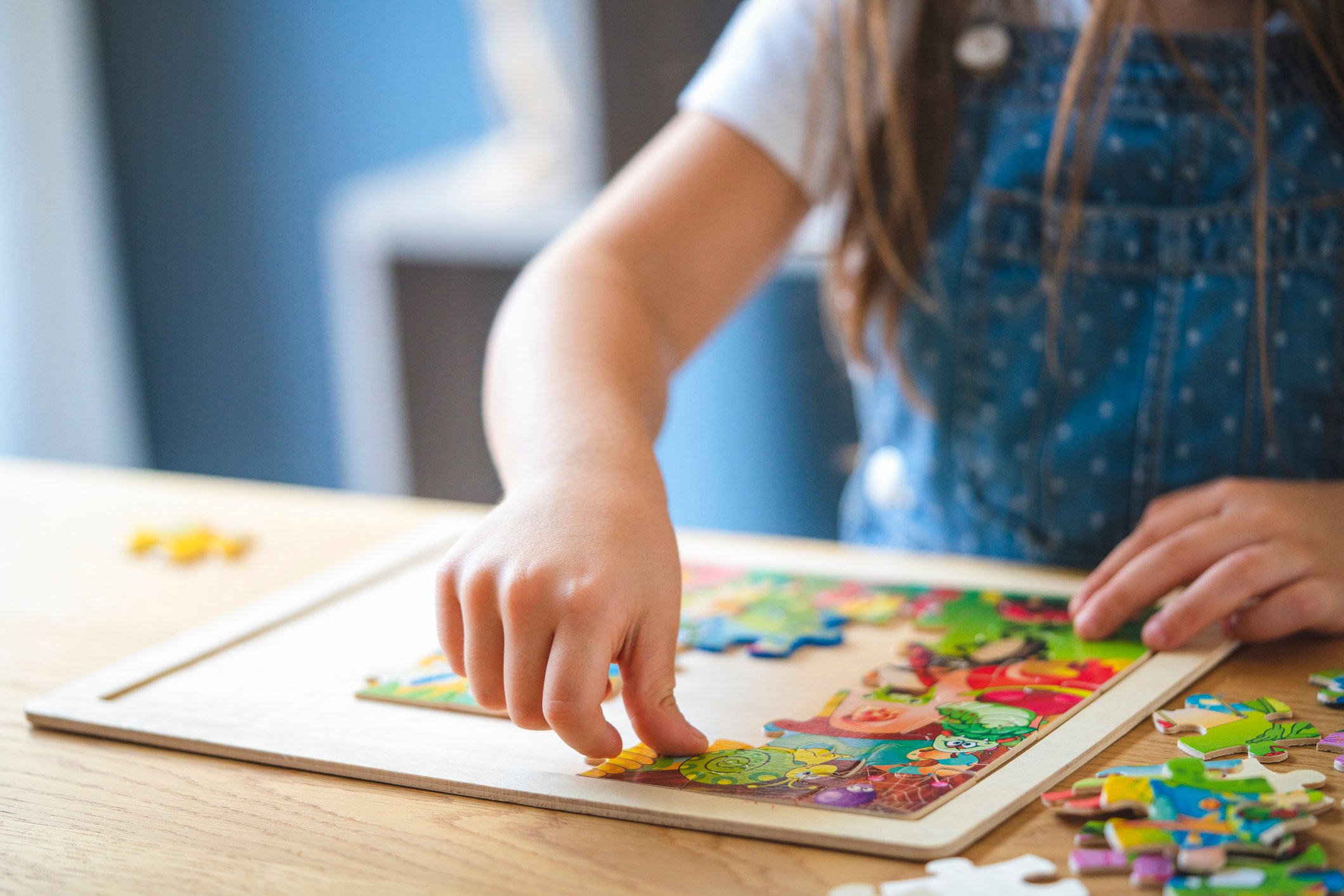
4. Do a Picture Puzzle
Have your child choose picture puzzles they love and work on them together.
5. Play Catch
Grab your child’s favorite ball and practice playing catch together.
When Should I Call a Pediatric Therapist?
If you find your child continues to face challenges with their hand-eye coordination, even after practicing at home, you may want to contact either a physical or occupational therapist to discuss your observations. Either specialist can provide professional interpretations and guidance to support your child’s growth.
Reach Out to First Steps for Expert Support
Need more than just home-friendly activities to help your child build hand-eye coordination skills? We can help. Our team here at First Steps Pediatric Therapy can provide additional support to empower your child. To gather more information or schedule your free 15-minute free screening, reach out to us at (700) 900-7432.